Welcome to the world of GPS tracking for kids with special needs. If you’re a parent or caregiver of a child with special needs, you know the constant worry and fear that comes with not knowing where your child is at all times. With GPS trackers, you can have peace of mind and ensure the safety of your child. Learn more here.
The Need for Specialized Solutions
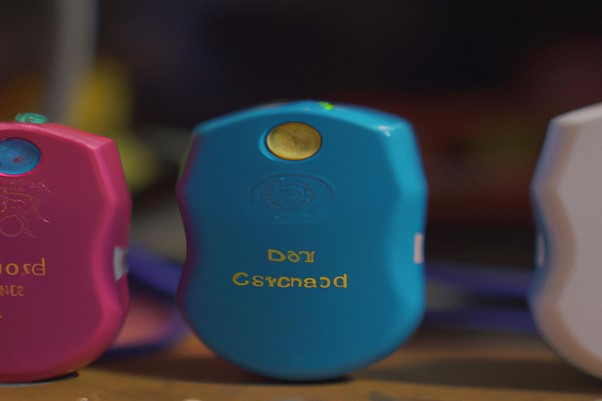
Parents of children with special needs often face unique challenges when it comes to ensuring their children’s safety. This is where specialized solutions like GPS trackers can be invaluable. These devices offer real-time location tracking, allowing parents to quickly locate their children in case they wander off or get lost. GPS trackers designed specifically for kids with special needs also come with additional features like geofencing and SOS buttons for emergencies. Some popular options in the market include AngelSense, Family1st, and My Buddy Tag. Investing in these specialized solutions can bring peace of mind and enhance the safety of children with special needs.
Safety and Peace of Mind: The Core Benefits
Ensuring the safety and peace of mind of children with special needs is of utmost importance. GPS trackers can provide a sense of security for parents and caregivers. These devices allow for real-time tracking, so parents can always know their child’s whereabouts. In case of an emergency or if the child wanders off, the GPS tracker can quickly locate them, preventing potential harm. With the use of GPS trackers, parents can have peace of mind knowing that their child is safe and secure.
In 2019, a 6-year-old boy with autism went missing during a family outing. Thanks to Family1st GPS tracker, he was quickly located by authorities and reunited with his family, avoiding any potential dangers. The incident highlighted the importance of GPS trackers for children with special needs and emphasized the significant role they play in ensuring their safety.
Choosing the Right GPS Tracker for Special Needs
Choosing the right GPS tracker for children with special needs requires careful consideration to ensure their safety and well-being.
1- Evaluate the specific needs: Assess the child’s individual needs, including mobility, communication abilities, and any associated medical conditions.
2- Research available features: Look for GPS trackers that offer features such as real-time tracking, geofencing, two-way communication, and SOS alerts.
3- Consider durability: Opt for trackers that are durable, waterproof, and can withstand the child’s activities and potential accidents.
4- Check compatibility: Ensure that the tracker is compatible with the caregiver’s smartphone or other devices for easy monitoring.
5- Review battery life: Look for trackers with long battery life to avoid frequent recharging.
6- Read reviews: Take the time to read reviews and learn from other parents’ experiences with different GPS trackers for children with special needs.
Ultimately, the right GPS tracker will depend on the unique needs and circumstances of the child and their family. It’s essential to choose a tracker that provides peace of mind and enhances safety for the child with special needs.
Geo-Fencing for Added Security
Geo-fencing is a valuable feature in GPS trackers for children with special needs. It provides added security by allowing users to set virtual boundaries and receive alerts when a child crosses them. Here are the steps to set up geo-fencing:
1- Choose a GPS tracker that supports geo-fencing.
2- Download the corresponding mobile app for the tracker.
3- Create a safe zone by selecting a location on the map.
4- Set the size of the safe zone according to your preference.
5- Name the safe zone for easy identification.
6- Enable notifications to receive alerts on your phone.
7- Customize the alerts to fit your needs.
8- Test the geo-fence by having your child move in and out of the safe zone.
9- Adjust the boundaries or settings if necessary.
Integration with Specialized Apps
Integration with specialized apps greatly enhances the functionality and effectiveness of GPS trackers for children with special needs. These apps provide features that cater specifically to the unique requirements of children with special needs, such as real-time tracking, geofencing, and customizable alerts. For example, the AngelSense GPS tracker integrates with an app that offers a “Listen-In” feature, allowing parents to listen to their child’s surroundings for added peace of mind.
Additionally, these apps may include communication tools, visual schedules, and behavior tracking features to help parents and caregivers better support their child’s needs.
Communication Features for Improved Connectivity
When selecting GPS trackers for children with special needs, it is important to consider communication capabilities that enhance connectivity. Some essential features to look for include:
1- Two-way communication: The ability for parents and caregivers to directly communicate with the child through the tracker.
2- SOS button: A dedicated button that the child can press in case of an emergency, immediately notifying the parent or caregiver.
3- Geo-fencing: The ability to set up virtual boundaries and receive notifications when the child crosses those boundaries.
4- Voice messaging: The option to send pre-recorded or real-time voice messages to the child.
These features can greatly improve connectivity and provide peace of mind for parents and caregivers.
Battery Life and Durability for Active Lifestyles
When selecting GPS trackers for children with special needs, it is important to consider battery life and durability for those with active lifestyles.
– Battery Life: Seek out trackers with long-lasting batteries that can withstand extended outdoor activities, such as the Family1st GPS Trackers which can last up to 48 hours of continuous use.
– Durability: Choose trackers that are built to withstand rough handling and outdoor conditions, like the Jiobit GPS Tracker which is both water-resistant and impact-resistant.
For reliable tracking, consider devices that offer a combination of robust battery life and durability, such as the Trax Play GPS Tracker or the GBD Kids Smartwatch GPS Tracker. These options provide peace of mind while also allowing children with special needs to fully embrace their active lifestyles.
Educational and Independence Benefits
GPS trackers for kids with special needs offer numerous educational and independence benefits.
– Enhanced Safety: Parents and caregivers can track the child’s whereabouts in real-time, ensuring their safety.
– Independence: By knowing they are being monitored, children can gain confidence and independence by exploring their surroundings.
– Learning Opportunities: GPS trackers allow parents to create safe boundaries for their child’s exploration, providing opportunities for learning and growth.
– Peace of Mind: Knowing their child is safe and secure allows parents to have peace of mind, improving their overall well-being.
Did you find this helpful? Check out our other helpful articles on our website.
Read Also
- Full-Arch Dental Tourism: Why UK Patients With Severe Bone Loss Are Looking Abroad
 Dental implants have become one of the fastest-growing segments of private dentistry. Within that market, one patient group behaves very differently from the rest: people who have been told they do not have enough upper jawbone for conventional implants. For these patients, the choice is rarely between one clinic and another. It is between a… Read more: Full-Arch Dental Tourism: Why UK Patients With Severe Bone Loss Are Looking Abroad
 - Levels of Mental Health Care and When to Seek SupportMental health care can range from occasional outpatient appointments to 24-hour hospital treatment. The appropriate level depends on safety, symptom severity, daily functioning, medical needs, available support, treatment history and personal preferences. A licensed clinician should assess these factors rather than relying on a symptom list alone. Need help now? In the United States, call… Read more: Levels of Mental Health Care and When to Seek Support
- How to Choose a Shilajit Brand Based on the ResearchIn a randomized trial published in the Journal of the International Society of Sports Nutrition in 2019, 63 active men took 250 mg of standardized shilajit, 500 mg, or a placebo every day for eight weeks, and the benefit for strength retention after a fatiguing workout appeared only at 500 mg. For anyone choosing a… Read more: How to Choose a Shilajit Brand Based on the Research
- How to Incorporate Relaxation into Your Busy ScheduleFinding balance when you have a packed daily agenda often feels out of reach. Between work duties, family obligations, and personal projects, personal rest usually gets pushed to the bottom of the list. Small, intentional shifts in daily habits can help restore calm without requiring hours of extra free time. Continue reading to discover everything… Read more: How to Incorporate Relaxation into Your Busy Schedule
- Red Light Therapy for Skin and Wellness: Meet Vital Red Light TherapyModern wellness is not always about complicated treatments or long routines. Many people are now looking for simple, convenient ways to support their skin, recovery, and overall wellness at home. One technology getting more attention is red light therapy. Red light therapy uses specific wavelengths of red and near-infrared light to support the body’s natural… Read more: Red Light Therapy for Skin and Wellness: Meet Vital Red Light Therapy
- Managing Shock Loss After a Hair Transplant: The Financial and Clinical Imperative of Post-Op CareIn the rapidly evolving landscape of private healthcare, executive leadership within cosmetic and restorative surgery clinics faces a dual challenge: maintaining strict clinical standards while maximizing patient lifetime value (LTV) and brand advocacy. As the global medical tourism and elective procedure markets expand, clinical outcome quality alone is no longer the sole differentiator for premium… Read more: Managing Shock Loss After a Hair Transplant: The Financial and Clinical Imperative of Post-Op Care
- Transform Your Skin Health: Premier Gluta IV Therapy in DubaiThis comprehensive guide explores how modern intravenous wellness treatments can help revitalize your complexion, boost immune function, and support overall cellular health. By incorporating modern IV therapy Dubai services into a routine health regimen, individuals can achieve direct nutrient absorption for optimal results. Selecting a customized gluta IV drip Dubai treatment provides targeted antioxidant defense,… Read more: Transform Your Skin Health: Premier Gluta IV Therapy in Dubai
- The Evolution of Dental Prosthetics: Innovation in Oral HealthDental replacements have improved a lot over time. Smiling, chewing, and speaking depend on having healthy teeth. When teeth break or go missing, today’s options can restore both function and confidence. Modern techniques make these replacements feel and look completely natural. Ancient Roots Of Tooth Replacement People have tried to replace lost teeth for thousands… Read more: The Evolution of Dental Prosthetics: Innovation in Oral Health